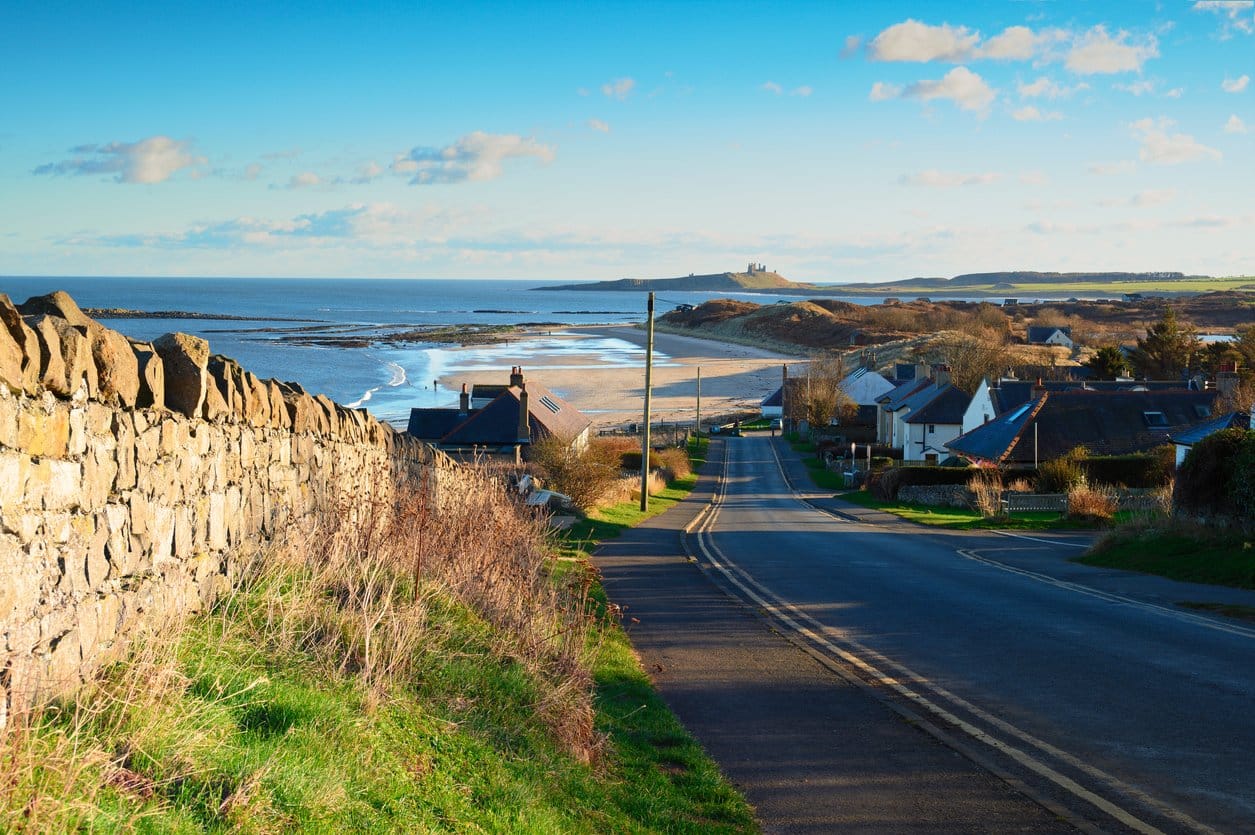
St Abbs is worth visiting during a stay in Berwick-upon-Tweed. The fishing village is about 14 miles north of Berwick. The drive takes around 30 minutes or you can take the 235 bus in about 35 minutes. Visit the harbour and walk the cliffs at St Abb's Head. Spend time on Coldingham Bay beach too.

To book the whole venue for a special event or group booking, call us on 01289 349 449 or reach out via email at stay@robroyberwick.com. The team will be happy to assist.

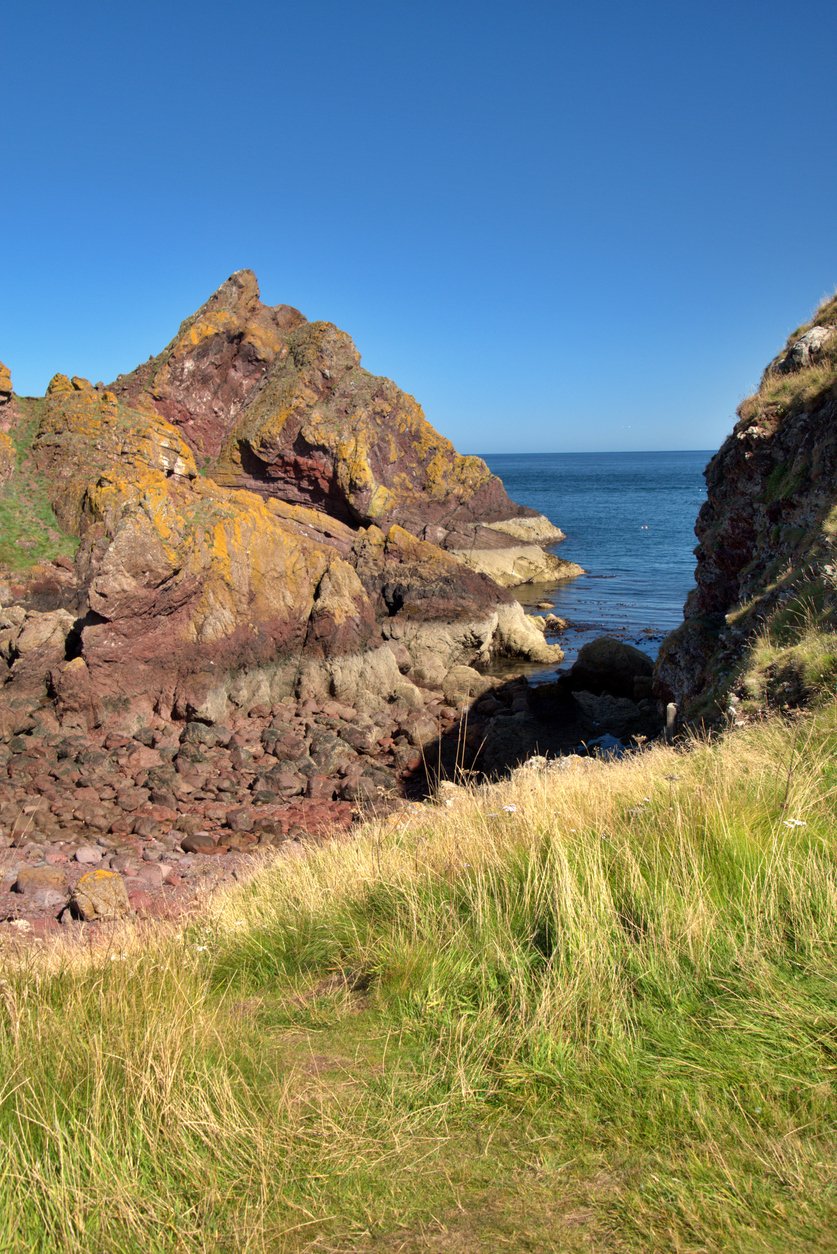
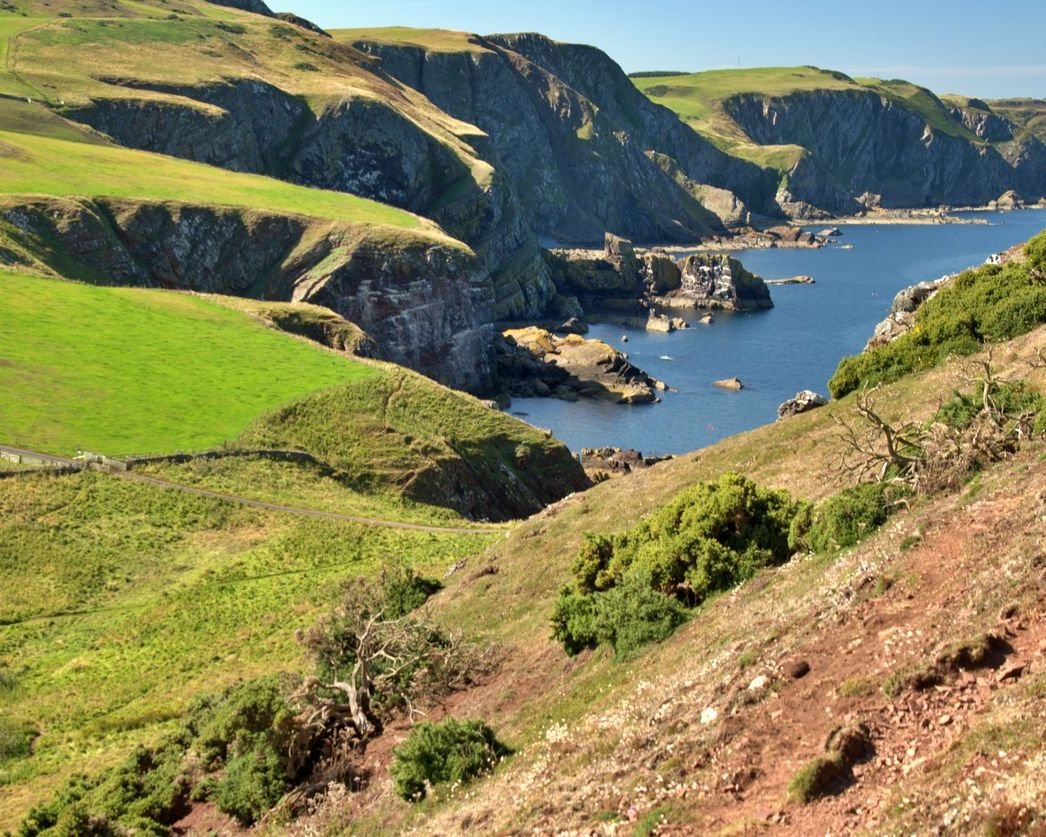
Take the A1 north from Berwick and follow the signs for Eyemouth and Coldingham. St Abbs is about four miles from the A1 at the end of the B6438. The St Abbs Visitor Centre lists TD14 5PL as its postcode.
The NTS car park beside the Nature Centre is a popular starting point for walkers. It is on the approach road before the village. The published parking charge is £5 per car. NTS members can park for free. There is also a smaller car park beside the harbour at the end of a narrow road.
Parking spaces can be harder to find on sunny summer weekends. Arriving early is sensible.
Borders Buses service 235 runs from Chapel Street in Berwick town centre to St Abbs. The route passes through Burnmouth, Eyemouth and Coldingham. The journey takes about 35 minutes.
The current timetable shows six journeys each way between Berwick and St Abbs. Two more run only as far as Coldingham. The last bus from St Abbs leaves at 18:15. Services may differ on Sundays and public holidays. Check the latest timetable on the Borders Buses website before travelling.
The Nature Centre and the start of the headland walk are about ten minutes on foot from the village bus stop. Our guide to visiting Berwick-upon-Tweed without a car covers trains and other bus routes.
The main NTS walking circuit is 3¾ miles (6 km) long. Most people need two to three hours. NTS rates the route as moderate. There is approximately 225 metres of climbing.
The walk crosses clifftop paths, farmland and a tarmac road. Steep steps lead down towards Horsecastle Bay.
The lighthouse is a useful point to aim for. David and Thomas Stevenson built it in 1862. Keepers worked there until automation in 1993. The foghorn was installed in 1876 and was Scotland's first audible fog signal.
The return route passes Mire Loch. Swans and ducks visit the water. Damselflies and butterflies can also be seen around the loch in warmer months.
An additional climb up Kirk Hill adds roughly a quarter of a mile and about 25 metres of ascent. The top gives you a view back towards the lighthouse and the cliffs.
The full circuit is not the only option. NTS also lists a Mire Loch Loop that stays inland and away from the cliff edges. A short accessible path provides views of the cliffs. Ask at the Nature Centre about current
Some sections of the path pass close to steep drops. Stay well back from the edges. Strong winds and wet grass increase the risk of slipping. Rain can also leave parts of the route muddy.
Walking boots with good grip are recommended.
Dogs are welcome. Keep them under close control, and on a lead near farm animals. Follow the Scottish Outdoor Access Code and any signs displayed around the reserve.
The village takes its name from Æbbe. She was a seventh-century abbess who founded a religious community on the headland. The village was known as Coldingham Shore until the late 19th century.
Fishing remains part of village life. Creel boats share the harbour with diving boats. The old Creel Path once carried fishermen and their catch between the harbour and Coldingham. You can still walk the route today.
The St Abbs Visitor Centre overlooks the harbour. Exhibits cover local history and wildlife.
On Coldingham Road, a bronze sculpture by Jill Watson commemorates the families affected by the storm of 14 October 1881. The disaster claimed 189 fishermen from the Berwickshire coast. Related sculptures can be seen in Eyemouth, Burnmouth and Cove.
Coldingham Bay is about one kilometre south of St Abbs. Follow the Berwickshire Coastal Path past Castle Rock. The path crosses the clifftop before descending towards the beach.
The sheltered bay has sand, dunes and a row of beach huts. Scottish Borders Council lists toilets, parking, a beach cafe and beach wheelchairs among its facilities. RNLI lifeguards patrol during the bathing season. Surfers also visit the bay.
Use the footbridge at the back of the beach at high tide. Do not cross the sand.
Eyemouth is on the 235 bus route and the road back to Berwick. You can stop there after visiting St Abbs. Fishing boats have used its natural harbour since the 13th century.
Eyemouth lost 129 fishermen in the storm of 14 October 1881.
The largest Widow and Bairns sculpture is at St Ella's Place. It measures about five metres in length. Eyemouth Museum occupies the Auld Kirk and holds a tapestry commemorating the disaster. Check the museum's seasonal opening dates before visiting.
Gunsgreen House is a Georgian merchant's house associated with Eyemouth's smuggling history. Its website reports that the museum and cellars are temporarily closed because of water damage. Check for updates before planning a visit.
| Season | What you may see | What to plan for |
|---|---|---|
| Spring (April and May) | Seabirds returning to the cliff ledges | The NTS Nature Centre reopens on 1 April. The village Visitor Centre reopens in April |
| Summer (June to August) | Busy seabird colonies, sea pinks, rock rose and wild thyme | Popular car parks can fill. Coldingham Bay has seasonal lifeguards |
| Autumn (September and October) | Fewer visitors and the start of grey seal breeding | The village Visitor Centre closes on 31 October. The NTS Nature Centre stays open until 30 November |
| Winter (November to March) | Grey seal pups, particularly in November | The Nature Centre is closed from 1 December. Shorter daylight hours and reduced café opening times |
Daylight is limited in December. The sun sets before 4pm. Read our blog on winter in Berwick-upon-Tweed for more information about the season.
Grey seals breed on the reserve's beaches from October to December. NTS recorded a record 1,806 pups in 2020. A pup normally remains on the beach for two to three weeks before weaning.
NTS recommends Petticowick for viewing seals from a safe distance. Keep behind any electric fencing and obey the signs. Dogs can disturb seals and must remain under close control. Never approach a pup to take photographs.
An injured or unusually thin pup should not be approached. Contact the Scottish SPCA on 03000 999 999. You can also read our article on wildlife in Berwick-upon-Tweed.
Check all return departures before leaving Berwick. Between November and February, start earlier to complete the cliff walk in daylight.
St Abbs is a good choice for walkers and photographers. The cliffs, lighthouse and nesting seabirds provide plenty to see. Couples visiting Berwick for a romantic break may also enjoy a day on the Berwickshire coast.
The full headland circuit may be difficult for visitors with limited mobility. Expect steep steps, uneven ground and exposed sections. The Visitor Centre entrance has nine stone steps. A ramp is available on request. Contact the centre before travelling to discuss access.
The short accessible path and harbour are alternatives to the longer walk. Avoid the exposed headland during storms or severe winds.
Rob Roy Boutique Accommodation is a restored Victorian stone building on Dock Road in Tweedmouth. The location makes Berwick a practical base for visiting both the Scottish Borders and the Northumberland coast.
After a day on the cliffs, the River View Junior Suite has a bath as well as a separate shower. It looks across the River Tweed towards the town. The property also has a Victorian lounge and a guest kitchenette with a kettle and coffee machine.
For evening meal ideas, read our article on dining out in Berwick-upon-Tweed.
Planning a coastal break for two? Check availability and book direct for your dates.
To book the whole venue for a special event or group booking, phone us on 01289 349 449 or reach out via email at stay@robroyberwick.com. The team will be happy to assist.
St Abbs and Holy Island are each around 14 miles from Berwick in opposite directions. Visiting both by car is possible, although it leaves less time at each destination. The Holy Island causeway floods at high tide. Always check the official Holy Island safe crossing times before setting off. Our article on Holy Island and Bamburgh in winter also covers tide planning.
There is an accessible toilet next to the Nature Centre at the reserve car park. The Nature Centre itself is closed from 1 December to 31 March. NTS lists the café at Borders Pottery, next to the reserve, as open from 10am to 4pm and closed on Wednesdays. Check winter hours with the village cafés directly.
2 nights from £1593 nights from £219
Slow down this winter in the heart of Berwick-upon-Tweed. Walk the town walls and the coast, then come back to your own boutique room. Our Winter Escapes are only available when you book direct with us. It's the best price you'll find anywhere.
Prices are per room for the whole stay, for 2 guests sharing an Executive Double, Sunday–Thursday. From-prices apply to stays from 3 January to 28 February 2027. For stays until 23 December 2026: 2 nights from £169, 3 nights from £239. Friday and Saturday nights are £10 extra each. Not available 23 December – 2 January, or on Friday 12 and Saturday 13 February. Subject to availability. Free cancellation until 7 days before arrival, then the full amount is payable.