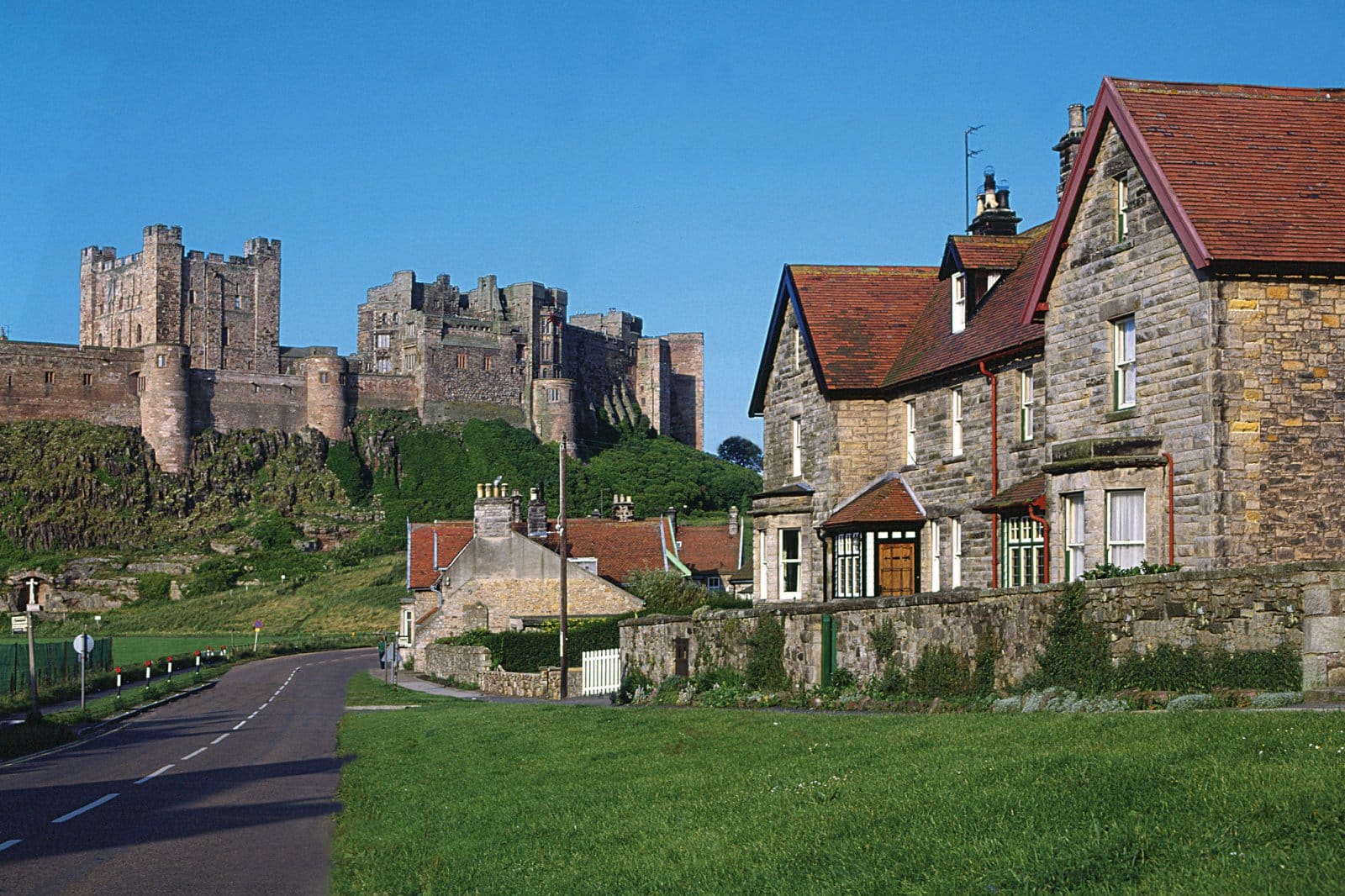

Families in Berwick-upon-Tweed plan days that work well for their children. Parents balance movement, outdoor time, and regular pauses. The town structure supports walking and simple routines. Families move through the day without added pressure.

To book the whole venue for a special event or group booking, phone us on 01289 349 449 or reach out via email at stay@robroyberwick.com. The team will be happy to assist.



Families spend much of the day moving between nearby streets, paths, and open areas. Walking replaces short drives and keeps plans simple.
Walking routes are clear for adults and children. Distances between stops remain manageable. Relaxed movement supports family days out in Berwick-upon-Tweed and helps parents maintain a balanced rhythm.
Families plan time around walking, rest, and simple stops. Days follow natural routines instead of fixed schedules. Children stay settled, and parents adjust plans as needed.
Walking works well across Berwick-upon-Tweed because key areas sit close together. Parents rarely need transport once they arrive and settle in.
Families often walk sections of the town walls loop. Nearby river paths support slower-paced walks during a weekend stay. Pushchairs move well along main routes, and scooters work on level surfaces. Families with a toddler manage the day with less stress.
Berwick suits families who prefer simple plans and flexible timing. Short breaks still feel complete, and parents do not need to fill every hour.
Children move naturally between activities. Parents adjust plans as energy levels change. The balance works well for the whole family.
Mornings work best without early pressure. Children settle more easily with a slow start that includes breakfast and gentle movement.
Families often begin near the river paths, and later walks help children focus. Daily routines remain easier to manage during school holidays.
Energy often drops during the afternoon, and children respond differently as the day progresses. Plans need space to change without causing tension.
Families usually choose one precise point for the afternoon, such as a walk or an outdoor stop. The rest of the time stays open. The approach works well for a visiting group.
Families who want more detail often look at what to see and do around Berwick-upon-Tweed when planning longer days.
Evenings influence how the next day begins. Short routines help children wind down. Late outings often lead to overtiredness.
Families reduce activity after early evening. Parents find timing easier to manage, and sleep improves. The pattern helps create a memorable stay.
Children respond better to flexible schedules than fixed ones. Movement feels natural, and play develops without instruction.
Parents avoid queues and set timings, reducing pressure during the day. These moments often turn into a positive experience for everyone.
Parents observe rather than direct. Children notice light, movement, and texture around them. Curiosity guides activity without effort.
Simple games form naturally, such as counting steps or spotting shapes. These moments often become a favourite part of the day.
Younger children benefit from sheltered areas and quieter edges away from busy centres. Lower noise levels support better focus.
Benches support rest when needed, and short pauses extend stamina. Children recover well throughout the year.
Children engage quickly near the coast, but interest peaks early. Longer visits often lead to tiredness.
Families stay close to the shoreline near town and leave before energy drops. The rhythm keeps the mood positive and can feel magical for children.
Coastal conditions change quickly. Parents plan layers and warm drinks before heading out. Timing matters more than duration.
Stopping early prevents discomfort and helps children remember the best moments. These experiences are often linked to nearby wildlife.
Indoor pauses help reset energy and attention. Children regain focus after rest, and movement feels easier afterwards.
Parents avoid long indoor stretches. It supports a smoother adventure overall. Indoor time serves as a pause rather than a replacement. It gives families time to warm up and rest before heading back outside.
Parents benefit from flexible plans instead of fixed schedules. Short indoor stops work better than full afternoon commitments.
Knowing when to pause reduces stress. It helps parents rely on local knowledge rather than rigid planning.
Meal timing matters, and space helps children stay settled. Clear exits reduce pressure if attention drops during the meal.
Simple routines support better behaviour. Parents value control over timing. A relaxed cafe stop often works best.
Eating earlier helps families avoid crowds, and faster service keeps meals shorter. Noise levels remain lower at these times.
Children eat with more focus, parents avoid queues, and meals end on a positive note.
Families need space to organise and store daily items. Rest matters after active days.
Clear room design helps children settle more easily at night after busy days. Parents often look for this when planning family stays in Berwick-upon-Tweed.
Some families choose the Executive Twin Room at Rob Roy Boutique Accommodation. Twin beds support flexible sleeping and make early nights easier after full days.
Central stays reduce daily effort and support walking instead of driving. Children cope better with shorter distances between activities.
Most daily stops remain within walking distance. Kids move between places without repeated starts and stops.
To book the whole venue for a special event or group booking, phone us on 01289 349 449 or reach out via email at stay@robroyberwick.com. The team will be happy to assist.
Children enjoy open areas where movement feels natural. Walking routes, riverside paths, and open spaces hold attention without pressure. Parents support free play and short pauses instead of organised attractions.
Berwick works well for family day trips because key areas sit close together. Walking replaces frequent driving. The pace suits children and reduces time pressure for parents.
Kids enjoy fresh air, movement, and space near the coast. Short visits work best and help avoid tiredness. Parents plan warm layers and clear stopping points to keep seaside time positive.
Parents start the day slowly and plan one clear focus. Breaks appear often between walking and rest. Evenings stay simple to support sleep. It helps the next day run smoothly.